

Hormones play an important role in how we feel every day. They help control energy levels, mood, sleep, metabolism, appetite, and reproductive health. When hormones are balanced, you may feel more energised, focused, and emotionally stable. When they become disrupted, you may notice symptoms such as fatigue, mood swings, poor sleep, cravings, irregular periods, or difficulty managing stress.
The good news is that supporting your hormones does not have to be complicated. Small, consistent lifestyle habits can make a big difference over time. While there is no quick fix for hormone health, simple daily choices can help create a healthy foundation for your body.
In this guide, we’ll explore simple ways to support hormones naturally and help you feel your best.
Why Hormone Health Matters
Hormones act as chemical messengers that travel throughout the body. They help different systems communicate and work together properly.
Some of the main hormones that affect women’s health include:
Cortisol (stress hormone)
Estrogen
Progesterone
Insulin
Thyroid hormones
Melatonin (sleep hormone)
When one hormone becomes out of balance, it can affect several other systems in the body. This is why stress, sleep, nutrition, and daily habits are so closely connected to hormone health.
1. Prioritise Quality Sleep
Sleep is one of the most powerful tools for hormone support.
While you sleep, your body repairs itself and regulates important hormones that affect hunger, stress, energy, and recovery. Poor sleep can increase cortisol levels, affect blood sugar balance, and leave you feeling exhausted the next day.
Simple ways to improve sleep include:
Going to bed at the same time each night
Limiting screens before bed
Keeping your bedroom cool and dark
Avoiding large meals late at night
Creating a calming bedtime routine
If you’re struggling with sleep, you may also enjoy reading our article on How Stress Affects Hormones in Women.
A comfortable sleep mask or blackout curtains can help create a sleep-friendly environment and support better rest.
2. Eat Protein With Every Meal
Protein provides the building blocks your body needs for many important functions.
Including protein with meals can help:
Support steady energy
Reduce cravings
Promote muscle health
Support blood sugar balance
Good protein sources include:
Eggs
Greek yoghurt
Chicken
Turkey
Fish
Cottage cheese
Lentils
Beans
Tofu
Aim to include a source of protein at breakfast, lunch, and dinner whenever possible.
For more nutrition ideas, check out our article on What to Eat When You Feel Tired All the Time.
A high-quality protein powder can be a convenient option for busy mornings or post-workout snacks.
3. Manage Stress Levels
Modern life can be stressful. Unfortunately, chronic stress can have a major impact on hormone balance.
When stress levels remain high for long periods, the body continues producing cortisol. Over time, elevated cortisol may affect:
Sleep quality
Energy levels
Mood
Appetite
Menstrual cycles
This doesn’t mean you need to eliminate stress completely. Instead, focus on creating moments of calm throughout your day.
Helpful stress-management habits include:
Deep breathing exercises
Meditation
Gentle stretching
Journaling
Spending time in nature
Listening to calming music
You may also enjoy reading our guide: 5 Morning Drinks That Help Lower Cortisol.
A guided wellness journal can be a helpful tool for reducing overwhelm and practising gratitude.
4. Stay Hydrated Throughout the Day
Hydration often gets overlooked, but it plays an important role in overall wellbeing.
Even mild dehydration can contribute to:
Fatigue
Headaches
Brain fog
Reduced concentration
Try keeping a reusable water bottle nearby throughout the day as a simple reminder to drink more water.
Some easy hydration tips include:
Start your morning with a glass of water
Carry a water bottle when you’re out
Add lemon or cucumber for flavour
Include water-rich foods like fruit and vegetables
While drinking water won’t directly “balance hormones,” proper hydration supports many processes that help your body function efficiently.
5. Move Your Body Regularly
Exercise supports physical and mental health while helping regulate several important hormones.
You don’t need intense workouts every day.
In fact, simple movement can be very effective.
Examples include:
Walking
Cycling
Yoga
Swimming
Strength training
Dancing
Regular movement may help:
Reduce stress
Improve sleep
Support insulin sensitivity
Increase energy
Improve mood
The key is consistency rather than perfection.
Even a 20-minute walk can provide meaningful benefits.
6. Support Blood Sugar Balance
Blood sugar fluctuations can affect energy, cravings, mood, and hormone health.
One way to support hormone balance naturally is by focusing on balanced meals.
Try combining:
Protein
Healthy fats
Fibre-rich carbohydrates
For example:
Instead of eating toast alone, pair it with eggs and avocado.
Instead of a sugary snack, choose Greek yoghurt with berries and nuts.
Balanced meals help promote more stable energy levels throughout the day and may reduce afternoon energy crashes.
7. Include Healthy Fats in Your Diet
Healthy fats are an important part of hormone production.
Many women mistakenly avoid fats, but the right types can support overall health.
Healthy fat sources include:
Avocados
Olive oil
Nuts
Seeds
Salmon
Sardines
Omega-3 fats found in fatty fish are especially beneficial for supporting overall wellness.
Try adding healthy fats to meals regularly rather than avoiding them altogether.
A quality omega-3 fish oil supplement may be helpful for women who do not regularly eat fatty fish.
8. Spend More Time Outdoors
Sunlight and fresh air can support both physical and emotional wellbeing.
Natural light helps regulate your body’s internal clock and supports healthy sleep patterns.
Benefits of spending time outdoors may include:
Improved mood
Better sleep
Reduced stress
Increased physical activity
Try taking a short walk outside in the morning whenever possible.
Even 10 to 15 minutes can make a difference.
9. Reduce Overwhelm and Create Rest
Many women spend their days caring for everyone else while neglecting their own needs.
Supporting hormones naturally also means allowing time for recovery.
Rest doesn’t always mean sleep.
It can include:
Reading a book
Taking a bath
Sitting quietly with tea
Practising mindfulness
Enjoying a hobby
Permitting yourself to slow down can help reduce stress and support overall wellbeing.
Small moments of rest throughout the week can have a powerful impact.
10. Focus on Consistency, Not Perfection
One of the biggest mistakes people make is trying to change everything at once.
Hormone support is not about being perfect.
It’s about building sustainable habits.
You do not need:
A strict diet
Expensive supplements
Extreme workouts
Instead, focus on small actions you can repeat consistently:
Drinking more water
Going to bed earlier
Eating more protein
Taking daily walks
Managing stress
These habits often provide more benefit than dramatic short-term changes.
When to Speak With a Healthcare Professional
While lifestyle habits can support hormone health, some symptoms should be discussed with a healthcare professional.
Consider seeking medical advice if you experience:
Severe fatigue
Significant changes in menstrual cycles
Persistent sleep problems
Unexplained weight changes
Ongoing mood concerns
A healthcare provider can help identify potential underlying causes and recommend appropriate treatment.
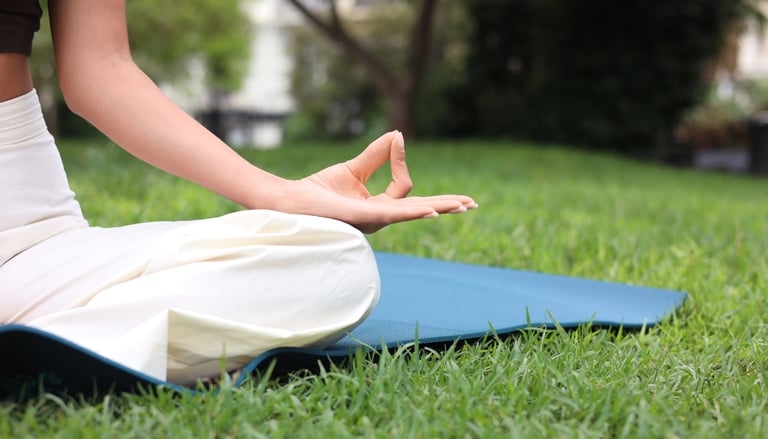
Supporting hormones naturally doesn’t require a complicated wellness routine.
Simple habits such as prioritising sleep, managing stress, staying hydrated, eating balanced meals, and moving your body regularly can help create a healthier foundation for hormone balance.
Remember that lasting change happens gradually. Small daily actions often lead to the biggest results over time.
Start with one habit this week and build from there. Your hormones—and your overall wellbeing—will thank you.
Related Articles
💛 Want a simple way to feel calmer each day?
If you’re not sure where to start, I’ve made it simple for you.
👉 Get your free 7-Day Calm Morning Reset
with gentle, realistic habits to reduce stress and feel more balanced — starting tomorrow
⚠️ Disclaimer
This post may contain affiliate links. As an Amazon Associate, I earn from qualifying purchases at no extra cost to you.
© 2026 Balanced Fit Life. All rights reserved.
Balanced Fit Life
Gentle hormone health and stress support for overwhelmed women.
Contact:
The information on this website is for educational purposes only and is not a substitute for medical advice.
Disclaimer