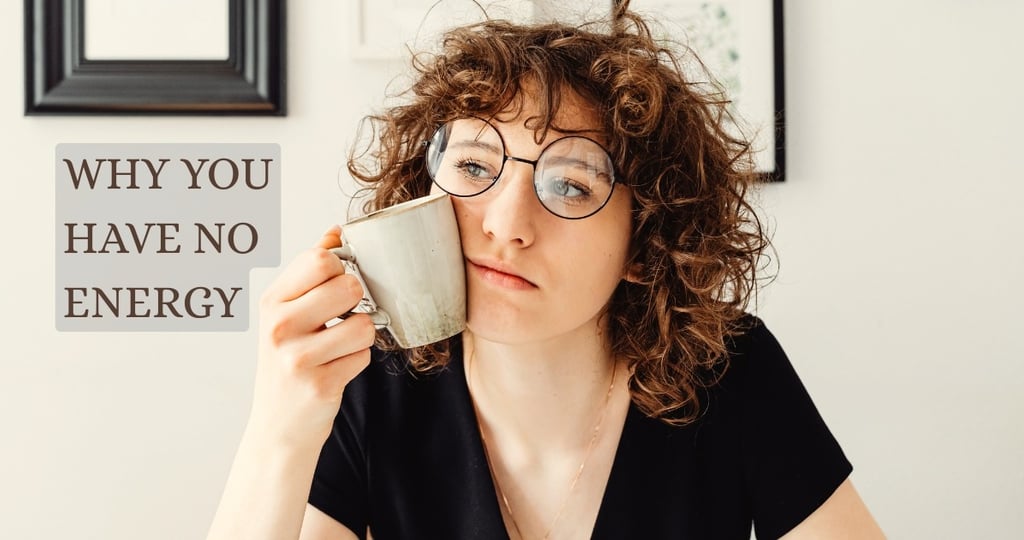
Have you ever woken up feeling tired, struggled through the afternoon, and wondered why you have no energy during the day?
You’re not alone.
Many women feel exhausted even after getting what seems like enough sleep. It can be frustrating when you feel like you’re doing everything right but still find yourself reaching for another coffee or counting down the hours until bedtime.
The good news is that low energy is often your body’s way of asking for support. Instead of pushing through the fatigue, it can help to understand what may be causing it.
In this article, we’ll look at some common reasons women experience low energy during the day and simple habits that may help support better energy naturally.
Why Am I So Tired During the Day?
Energy levels are influenced by many factors, including sleep, stress, hormones, nutrition, hydration, and movement.
When one or more of these areas are out of balance, your body may respond with symptoms such as:
Afternoon energy crashes
Brain fog
Low motivation
Irritability
Difficulty concentrating
Feeling tired even after sleeping
Let’s explore some of the most common causes.
1. Poor Sleep Quality
Sleep is one of the biggest factors affecting daytime energy.
Even if you’re spending seven to eight hours in bed, your sleep quality may not be as good as you think.
Things that may affect sleep quality include:
Stress and racing thoughts
Too much screen time before bed
An inconsistent bedtime routine
Late-night caffeine
Interrupted sleep
When sleep quality suffers, your body may not get enough restorative rest, leaving you tired the next day.
Creating a calming evening routine may help support better sleep and recovery.
Related reading: Small Evening Habits That Help Better Sleep
Many women find that a comfortable sleep mask or a magnesium glycinate supplement helps create a more relaxing bedtime routine. These can be simple additions to support restful sleep.
2. High Stress Levels
Stress does not only affect your mood.
It can also have a major impact on your energy levels.
When you’re stressed, your body produces cortisol, often called the stress hormone. Cortisol helps you respond to challenges, but when stress becomes constant, it can leave you feeling drained.
Common signs of stress-related fatigue include:
Feeling tired but wired
Trouble relaxing
Poor sleep
Frequent headaches
Increased cravings for sugar or caffeine
Many women don’t realise that chronic stress can make them feel exhausted even when they haven’t been physically active.
Learning how to manage stress may support both hormone health and energy levels.
Related reading: How Stress Affects Hormones in Women
A calming herbal tea blend, aromatherapy diffuser, or guided wellness journal can be helpful tools for creating moments of relaxation during busy days.
3. Blood Sugar Swings
What you eat can have a huge effect on your energy.
Skipping meals or relying on sugary snacks may cause blood sugar levels to rise quickly and then drop just as fast.
This cycle can lead to:
Energy crashes
Hunger shortly after eating
Brain fog
Irritability
Increased cravings
Instead of starting the day with sugary cereals or pastries, try including protein, healthy fats, and fibre in your meals.
Examples include:
Greek yoghurt with berries
Eggs and wholegrain toast
Oats with nuts and seeds
Smoothies with protein and fruit
Balanced meals may help support steadier energy throughout the day.
4. Dehydration
Many people underestimate how much hydration affects energy.
Even mild dehydration may contribute to:
Fatigue
Headaches
Poor concentration
Low mood
If you often feel tired during the day, ask yourself:
Have I had enough water today?
Am I drinking mostly coffee or tea?
Do I start my day hydrated?
A simple habit is drinking a large glass of water shortly after waking up.
You can also increase hydration through:
Herbal teas
Fruits such as watermelon
Cucumbers
Soups
Small hydration habits can make a noticeable difference.
A reusable water bottle with time markers can be a useful reminder to stay hydrated throughout the day.
5. Hormone Changes and Imbalances
Hormones play an important role in energy production.
When hormone levels shift, many women notice changes in how they feel physically and mentally.
Hormonal changes may occur during:
Menstrual cycles
PMS
Perimenopause
Menopause
Times of high stress
Symptoms may include:
Fatigue
Mood changes
Poor sleep
Increased cravings
Difficulty concentrating
Stress can also influence hormones such as estrogen and progesterone, which may further affect energy levels.
This is one reason why supporting stress management is so important for overall wellbeing.
Related reading: 5 Morning Drinks That Help Lower Cortisol
6. Too Much Caffeine
Coffee can provide a temporary boost, but relying on caffeine throughout the day may sometimes make fatigue worse.
Many people use caffeine to cover up underlying tiredness.
The result?
A short burst of energy followed by an afternoon crash.
Some signs you may be overdoing caffeine include:
Feeling anxious
Jitters
Trouble sleeping
Afternoon energy crashes
Dependence on multiple cups per day
You don’t necessarily need to give up coffee completely.
Instead, consider:
Drinking water first thing in the morning
Having coffee with breakfast
Avoiding caffeine late in the day
Including caffeine-free drinks in your routine
7. Lack of Movement
It may seem strange, but not moving enough can actually contribute to feeling tired.
Regular movement helps support:
Circulation
Mood
Stress management
Sleep quality
Energy levels
You don’t need intense workouts to benefit.
Gentle activities may include:
Walking
Stretching
Yoga
Gardening
Light cycling
Even a 10-minute walk during the day may help boost energy naturally.
Signs Your Body May Need More Support
Sometimes low energy is not simply about being busy.
Your body may be sending signals that it needs more care and attention.
Watch for signs such as:
Constant fatigue
Poor sleep quality
Brain fog
Mood changes
Increased stress
Frequent cravings
Difficulty focusing
Paying attention to these signals can help you make supportive changes before burnout develops.
Simple Daily Habits That May Support Better Energy
The good news is that improving energy does not usually require a complete lifestyle overhaul. Small, consistent habits often make the biggest difference.
Get Morning Sunlight
Natural light helps support your body’s internal clock and healthy energy rhythms. Try spending a few minutes outside shortly after waking.
Eat a Balanced Breakfast
Including protein and fibre may help support steady energy levels throughout the morning.
Stay Hydrated
Carry a water bottle and sip regularly throughout the day.
Take Movement Breaks
A short walk or stretch can help refresh both body and mind.
Create a Calming Evening Routine
Reducing stress before bed may help improve sleep quality.
Manage Daily Stress
Small stress-management habits can add up over time.
Consider:
Deep breathing
Journaling
Reading
Gentle yoga
Spending time outdoors
When to Speak With a Healthcare Professional
While lifestyle factors often play a role in fatigue, ongoing tiredness should not be ignored.
Consider speaking with a healthcare professional if:
Fatigue is severe
Symptoms continue despite lifestyle changes
You experience dizziness or unexplained weight changes
Daily activities become difficult
They can help identify any underlying causes and provide personalised guidance.
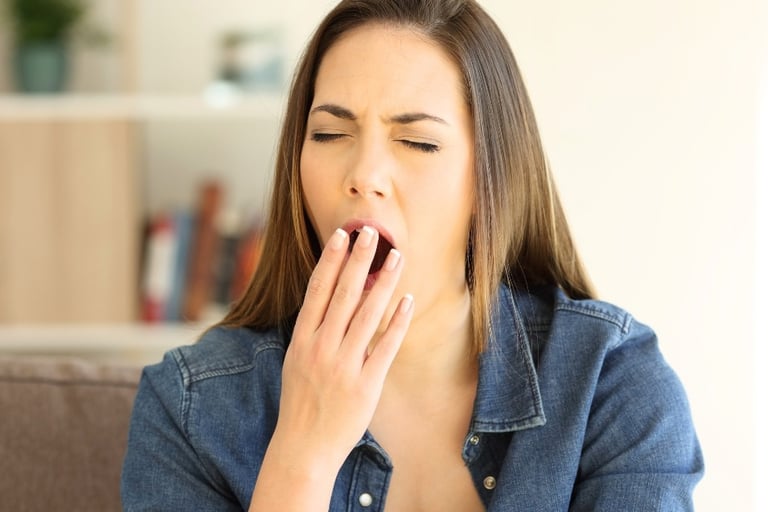

If you have no energy during the day, it does not mean you’re lazy or doing something wrong.
Your body may simply be asking for more support.
Sleep, stress, hydration, nutrition, hormones, and movement all play important roles in how energetic you feel.
Rather than pushing yourself harder, try focusing on small daily habits that help your body feel safe, nourished, and well-rested.
Over time, those small changes may support steadier energy, improved wellbeing, and a greater sense of balance.
Remember: energy is not about doing more. Often, it’s about supporting your body in the ways it needs most.
💛 Want a simple way to feel calmer each day?
If you’re not sure where to start, I’ve made it simple for you.
👉 Get your free 7-Day Calm Morning Reset
with gentle, realistic habits to reduce stress and feel more balanced — starting tomorrow
⚠️ Disclaimer
This post may contain affiliate links. As an Amazon Associate, I earn from qualifying purchases at no extra cost to you.
© 2026 Balanced Fit Life. All rights reserved.
Balanced Fit Life
Gentle hormone health and stress support for overwhelmed women.
Contact:
The information on this website is for educational purposes only and is not a substitute for medical advice.
Disclaimer