10 Daily Habits That Support Hormone Balance (Feel Better Naturally)
Simple daily habits that support hormone balance naturally. Learn how to improve energy, reduce stress, and feel better every day.
HEALTHY HABITS


Hormone balance isn’t about quick fixes - it’s about what you do every day.
Small, consistent habits can support your energy, mood, metabolism, and overall well-being.
If you’ve been feeling tired, stressed, or out of sync, your daily routine might be the missing piece.
Here are simple daily habits that can help support your hormones naturally.
1. Start Your Day with Protein
Eating a balanced breakfast with protein helps stabilise blood sugar and supports hormone production.
When you skip protein in the morning, your blood sugar can spike and crash. This can leave you feeling tired, anxious, or craving sugar later in the day.
Simple options include:
Eggs with avocado
Greek yoghurt with berries
A protein smoothie
You can also explore our guide on healthy morning routines for hormone balance to build a strong start to your day.
2. Get Morning Sunlight
Natural light helps regulate your body clock, also called your circadian rhythm. This rhythm controls hormones like cortisol (energy) and melatonin (sleep).
Try to get sunlight within 30–60 minutes of waking up. Even 10–15 minutes can make a difference.
This simple habit can:
Boost your mood
Improve sleep later at night
Support natural hormone cycles
3. Manage Stress Daily
Chronic stress is one of the biggest causes of hormone imbalance.
When stress stays high, your body produces too much cortisol. Over time, this can affect your energy, sleep, and even weight.
Simple ways to manage stress:
Deep breathing
Walking outside
Journaling
Quiet time without screens
If stress is a big issue for you, check out our article on how to reduce cortisol naturally.
4. Move Your Body Regularly
Exercise helps your body use insulin better and lowers stress hormones.
You don’t need intense workouts every day. Gentle, consistent movement works best.
Try:
Walking
Yoga
Strength training a few times a week
The goal is consistency, not perfection.
5. Prioritise Quality Sleep
Sleep is essential for hormone balance.
Poor sleep can increase cortisol and disrupt hormones that control hunger, mood, and energy.
To support better sleep:
Go to bed at the same time each night
Avoid screens before bed
Keep your room cool and dark
If you often feel tired, you might also enjoy reading why you feel tired all the time.
6. Stay Hydrated
Even mild dehydration can affect your energy, focus, and metabolism.
Water supports many processes in your body, including hormone signalling.
Simple tips:
Start your morning with a glass of water
Keep a water bottle nearby
Drink regularly throughout the day
7. Eat Balanced Meals
Balanced meals help keep your blood sugar stable, which is key for hormone health.
Try to include:
Protein (chicken, eggs, beans)
Healthy fats (avocado, nuts, olive oil)
Fibre (vegetables, whole grains)
For more ideas, see our guide on the best breakfast for hormone balance.
8. Limit Processed Foods & Sugar
Too much sugar can spike insulin and lead to energy crashes.
Over time, this can disrupt hormone balance and increase cravings.
Instead:
Choose whole, simple foods
Swap sugary snacks for fruit or nuts
Read labels when possible
Small changes can make a big difference.
9. Support Gut Health
Your gut plays an important role in hormone balance.
A healthy gut helps your body process and remove excess hormones.
Support your gut by:
Eating fibre-rich foods
Including fermented foods (like yoghurt or kefir)
Reducing processed foods
10. Create a Consistent Routine
Your body thrives on consistency.
Irregular sleep, meals, and habits can confuse your internal clock and affect hormone levels.
Try to:
Wake up and sleep at similar times
Eat meals at regular times
Build simple daily habits
Consistency helps your body feel safe and balanced.
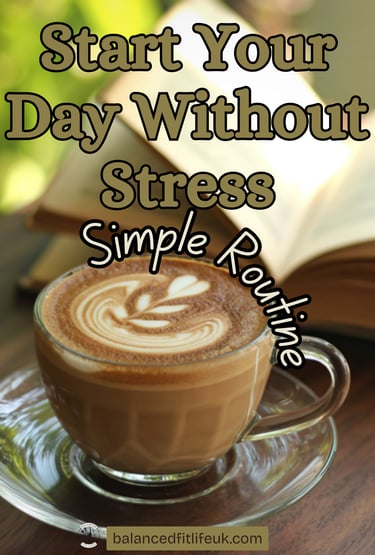
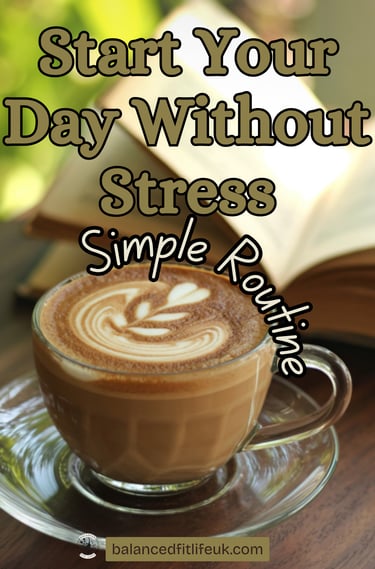
If you found this helpful, you can save this guide for later on Pinterest.
Hormone balance doesn’t require extreme changes — just consistent daily habits.
Start small. Choose one or two habits to focus on, and build from there.
Over time, these small changes can support your energy, mood, and overall well-being.
Your body responds to what you do every day — so make those habits work for you.
© 2026 Balanced Fit Life. All rights reserved.
Balanced Fit Life
Gentle hormone health and stress support for overwhelmed women.
Contact:
The information on this website is for educational purposes only and is not a substitute for medical advice.
Disclaimer