
7 Morning Habits That Help Lower Cortisol Naturally (Reduce Stress & Balance Hormones)
Morning habits can have a powerful impact on your stress levels and hormone balance. Learn 7 simple morning habits that help lower cortisol naturally, reduce stress, and support better energy, mood, and overall hormone health.
STRESS & CORTISOL


Cortisol is your body’s main stress hormone. It plays an important role in helping you wake up, stay alert, and respond to challenges during the day.
Normally, cortisol levels rise naturally in the morning. This healthy rise helps your body wake up and prepare for the day ahead.
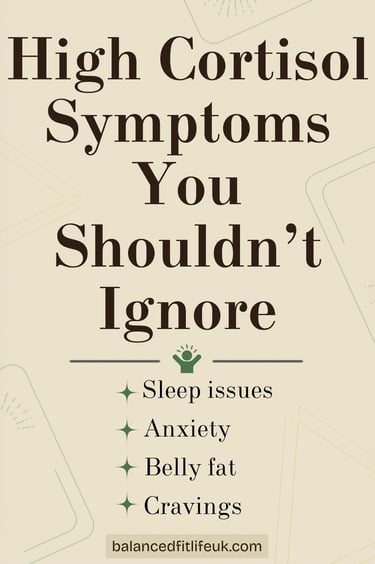
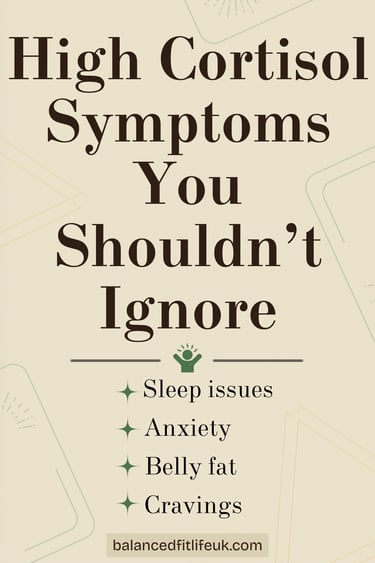
But when you experience chronic stress, your cortisol rhythm can become unbalanced. Instead of rising and falling normally, cortisol may stay too high for too long. Over time this can lead to symptoms like fatigue, anxiety, poor sleep, and hormone imbalance.
The good news is that simple daily habits can help support healthy cortisol levels. The way you start your morning can have a big impact on how your body handles stress throughout the day.
Here are seven simple morning habits that may help lower cortisol naturally and support a calmer, more balanced start to your day.
Save this guide for later on Pinterest
1. Get Natural Sunlight Within 30 Minutes of Waking
One of the simplest ways to support healthy cortisol levels is getting natural sunlight early in the morning.
Sunlight helps regulate your circadian rhythm, which is your body’s internal clock. This clock controls many important processes in your body, including sleep, energy levels, and hormone balance.
Morning light sends a signal to your brain that it is time to wake up and start the day. This helps cortisol rise and fall at the right times.
Sunlight can also improve mood and boost energy levels.
Simple tip:
Try stepping outside for 5–10 minutes shortly after waking up. Even a short walk or sitting near a sunny window can help.
2. Avoid Checking Your Phone Immediately
Many people reach for their phone the moment they wake up. Checking emails, news, or social media right away can send stress signals to your brain.
Your brain is still waking up in the morning. When you immediately start reading messages or notifications, your body may respond with a stress reaction. This can cause cortisol to spike early in the day.
Starting your morning calmly can help your nervous system stay balanced.
Simple habit:
Give yourself 20–30 minutes of phone-free time after waking up. Use this time to stretch, drink water, or simply sit quietly.
3. Drink Water Before Coffee
Your body becomes naturally dehydrated while you sleep. Drinking water in the morning helps your body rehydrate and supports many important functions.
Many people drink coffee first thing in the morning. While caffeine can boost energy, drinking it on an empty stomach may increase cortisol levels.
Starting with water first can help your body wake up more gently.
Simple tip:
Drink one glass of water before your morning coffee. This small habit can help support energy and hydration.
4. Move Your Body Gently
Gentle movement in the morning can help regulate your nervous system and reduce stress signals in the body.
You do not need intense exercise. Even small movements can help your body feel more balanced.
Examples of gentle morning movement include:
light stretching
yoga
a short walk
simple mobility exercises
Movement improves circulation and helps your body release tension built up overnight.
Even 5–10 minutes of gentle movement can help your body feel more awake and calm.
5. Eat a Balanced Breakfast
What you eat in the morning can affect your stress hormones and energy levels.
Skipping breakfast or eating only sugar can cause blood sugar to rise and fall quickly. These sudden changes can increase stress signals in the body.
A balanced breakfast helps keep blood sugar stable and supports hormone balance.
Try to include protein and healthy fats in your morning meal.
Simple examples include:
eggs with whole-grain toast
yogurt with nuts and seeds
oats topped with fruit and nut butter
avocado toast with eggs
Balanced meals can help you feel full, focused, and energized.
6. Practice Deep Breathing or Meditation
Slow breathing exercises can help calm the nervous system and lower stress signals in the body.
Deep breathing activates the parasympathetic nervous system, which helps the body move out of “stress mode” and into a more relaxed state.
This does not need to take long.
Even 2 to 5 minutes of slow breathing can make a difference.
Simple breathing practice:
Inhale slowly through your nose
Hold for a moment
Exhale slowly through your mouth
Repeat this for a few minutes and notice how your body begins to relax.
7. Set a Calm Intention for the Day
How you start your morning can shape the rest of your day.
Taking a few quiet moments to set a calm intention can help shift your mind from reactive stress mode to a more focused and balanced mindset.
This habit can be very simple.
You might try:
writing in a journal
practicing gratitude
planning your day calmly
setting one positive intention
For example, you might say to yourself:
“Today I will move through the day calmly and take care of my body.”
Small mental shifts can have a powerful impact on how you experience stress.
Conclusion
Small morning habits can make a big difference in how your body responds to stress throughout the day.
By supporting healthy cortisol rhythms and starting your morning with calm, intentional habits, you can help your body feel more balanced, energised, and resilient.
Over time, these simple routines may help reduce stress, support hormone balance, and improve your overall well-being.
If you often feel overwhelmed, anxious, or constantly tired, your body may be trying to tell you something important.
You can learn more in our guide:
10 Signs Your Body Is Stuck in Stress Mode
© 2026 Balanced Fit Life. All rights reserved.
Balanced Fit Life
Gentle hormone health and stress support for overwhelmed women.
Contact:
The information on this website is for educational purposes only and is not a substitute for medical advice.
Disclaimer