

Many years ago, I believed exercise was only about losing weight. If I wasn’t trying to fit into a smaller pair of jeans, I didn’t see much reason to work out. On stressful days, the last thing I wanted to do was move my body. I thought resting on the sofa would help me feel better.
But something surprising happened when I started taking short walks each day.
I wasn’t suddenly burning hundreds of calories or becoming super fit overnight. Instead, I noticed I slept better. My mood improved. I felt calmer, and my energy became more stable throughout the day.
That’s when I realised exercise affects much more than our muscles—it also supports our hormones.
The good news is you don’t need intense workouts or hours at the gym. Gentle, consistent movement can make a real difference.
If you’ve been wondering whether exercise can help balance hormones naturally, the answer is yes—for many women, it absolutely can.
Let’s look at how.
How Exercise Affects Your Hormones
Hormones are your body’s chemical messengers. They help control your energy, mood, sleep, metabolism, appetite, menstrual cycle, and even how you respond to stress.
When hormones become unbalanced, you might notice symptoms like:
Feeling tired all the time
Mood swings
Poor sleep
Weight changes
Increased stress
Low motivation
Brain fog
Exercise doesn’t “fix” hormones overnight, but it helps many of your body’s systems work together more smoothly.
Regular movement can support:
Cortisol (your stress hormone)
Insulin (blood sugar regulation)
Endorphins (feel-good hormones)
Serotonin (mood)
Growth hormone (repair and recovery)
Estrogen balance through overall metabolic health
One of the biggest lessons I’ve learned is that consistency matters far more than intensity.
A gentle walk every day often does more for your wellbeing than an exhausting workout once a week.
Benefits of Exercise for Hormone Balance
1. It Helps Lower Long-Term Stress
Life is busy.
Work, family, finances, and endless to-do lists can leave us feeling constantly overwhelmed.
During exercise, cortisol naturally rises for a short time. But over weeks and months, regular movement helps your body become better at handling stress.
I noticed this myself after making walking part of my morning routine. Problems didn’t disappear, but I reacted to them differently. I felt calmer and recovered from stressful days much faster.
If stress has been affecting your health, you might also enjoy reading How Stress Affects Hormones in Women and How to Calm Your Nervous System Naturally.
2. Exercise Improves Blood Sugar Balance
Every time you move, your muscles use glucose for energy.
This helps improve insulin sensitivity, making it easier for your body to keep blood sugar levels steady.
Stable blood sugar often means:
Fewer energy crashes
Less irritability
Better focus
Reduced cravings
Even a 10-minute walk after meals can help.
3. Better Sleep Supports Healthy Hormones
Poor sleep and hormone imbalance often go hand in hand.
Regular exercise helps many people:
Fall asleep faster
Sleep more deeply
Wake feeling more refreshed
Just remember that very intense exercise right before bedtime doesn’t work well for everyone.
If sleep has been a challenge lately, you may also like Why You Wake Up Tired Every Morning and Calm Night Routine for Better Sleep.
4. Exercise Boosts Your Mood
One reason movement feels so good is that it encourages your body to release endorphins and serotonin.
These natural chemicals can help:
Improve mood
Reduce anxiety
Increase motivation
Support emotional wellbeing
Some days, a short walk has completely changed my outlook. I still have difficult moments, but moving my body often helps clear my mind.
5. It Supports Healthy Energy Levels
It sounds strange that using energy actually gives you more energy.
But regular exercise improves circulation, strengthens your heart, and helps oxygen reach your muscles more efficiently.
Many women notice they feel less sluggish after adding regular movement to their routine.
6. It Can Help Maintain a Healthy Weight
Exercise is often linked only to weight loss, but that’s only part of the story.
Healthy movement supports your metabolism while preserving muscle, improving balance, and strengthening bones.
Rather than focusing on the number on the scale, think about how movement helps you feel.
More energy.
Better sleep.
Improved confidence.
Less stress.
Those benefits matter just as much.


Small Ways to Move More Every Day
Exercise doesn’t only happen in a gym.
Little moments of movement throughout the day also count.
Try:
Walking while talking on the phone
Taking the stairs
Stretching between work tasks
Gardening
Dancing while cooking dinner
Parking slightly farther away
Walking after meals
Playing outside with your children or grandchildren
These simple habits soon add up.
If you’re looking for even more easy wellness ideas, you might enjoy Healthy Habits That Cost Nothing, Healthy Morning Routine for Hormone Balance, and Self-Care Routine for Women.
Helpful Products That Can Make Exercise Easier
You don’t need expensive equipment to support healthy hormones.
However, a few simple items can make regular movement easier:
A supportive pair of walking shoes for daily walks.
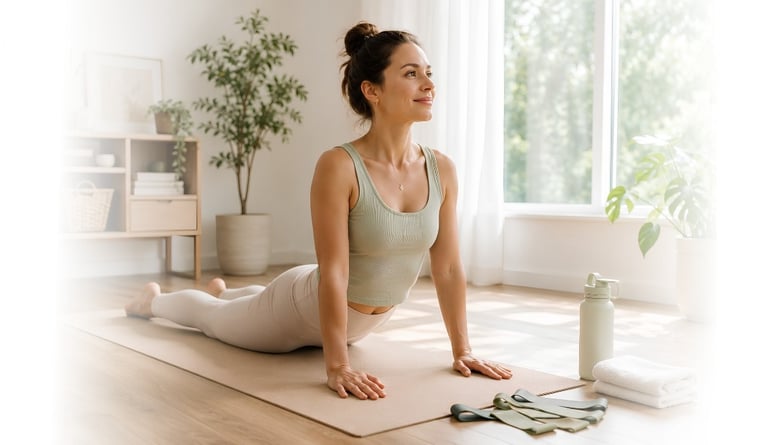
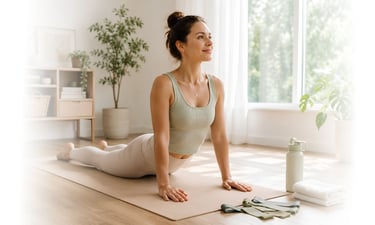
A comfortable yoga mat for stretching or yoga at home.
Resistance bands for beginner-friendly strength training.
A reusable water bottle to help you stay hydrated throughout the day.
A simple fitness tracker if you enjoy monitoring your daily steps.
These are optional tools—not requirements. Your body benefits most from simply moving regularly.
Frequently Asked Questions
Can exercise really help balance hormones?
Regular exercise can support hormone health by improving stress response, blood sugar balance, sleep quality, mood, and overall well-being. While it isn’t a cure for hormone disorders, it can be an important part of a healthy lifestyle.
What is the best exercise for hormone balance?
Walking is one of the easiest and most effective choices because it’s gentle, sustainable, and supports both physical and mental health. Strength training and yoga are also excellent options.
Can too much exercise make hormones worse?
Yes. Exercising intensely without enough rest, food, or sleep can place extra stress on the body and may contribute to hormone-related symptoms. Balance and recovery are important.
How often should I exercise for hormone health?
Aim for around 150 minutes of moderate activity each week, along with two or three strength-training sessions if possible. Even shorter sessions can make a difference when done consistently.
Is walking enough to support hormones?
Absolutely. Daily walking can help improve mood, lower stress, support healthy blood sugar, and increase overall energy. For many women, it’s one of the best habits to build.
Final Thoughts
Exercise isn’t about punishing your body or chasing perfection.
It’s about giving your body the movement it was designed for.
You don’t need expensive equipment, complicated routines, or intense workouts to support your hormones.
A short walk.
A gentle stretch.
A yoga session.
A few strength exercises at home.
These small choices, repeated consistently, can help you sleep better, feel calmer, improve your energy, and support your overall hormone health.
Remember, the best exercise is the one you enjoy enough to keep doing.
Start where you are, listen to your body, and celebrate every small step forward.
Disclaimer
This article is for informational and educational purposes only and is not intended as medical advice. Always speak with your doctor or another qualified healthcare professional before making significant changes to your diet, exercise routine, or lifestyle, especially if you have an existing medical condition or health concerns. Individual needs vary, and what works for one person may not be suitable for another.
This article may also contain affiliate links. If you choose to purchase through one of these links, I may earn a small commission at no additional cost to you. I only recommend products and resources that I genuinely believe can support a healthy lifestyle and provide value to my readers.
© 2026 Balanced Fit Life. All rights reserved.
Balanced Fit Life
Gentle hormone health and stress support for overwhelmed women.
Contact:
The information on this website is for educational purposes only and is not a substitute for medical advice.
Disclaimer