
7 Signs of Hormone Imbalance in Women
Discover 7 common signs of hormone imbalance in women — from fatigue and mood swings to sleep issues and irregular periods — and learn what your body may be telling you.
HORMONE BALANCE
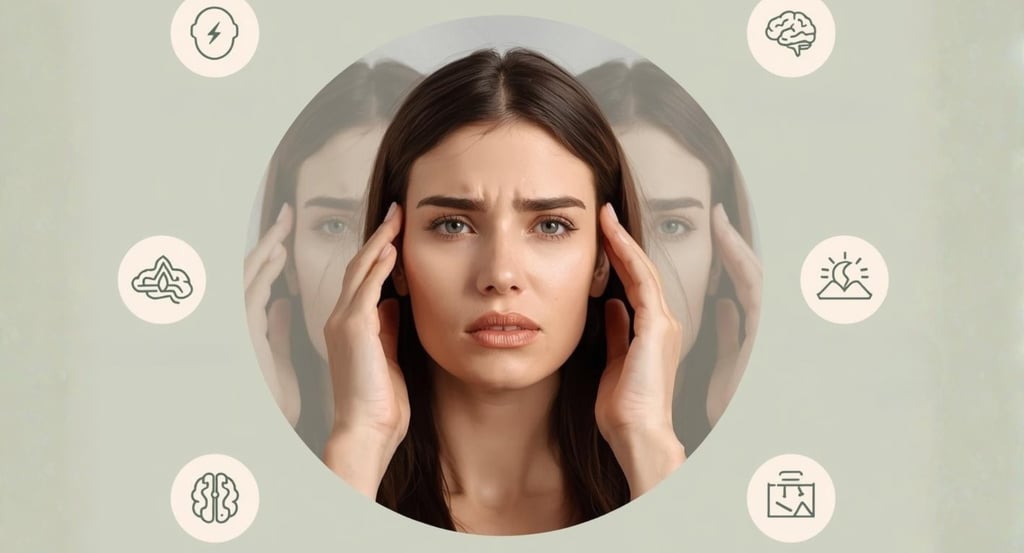
Many women feel “off” at some point in their lives — tired for no clear reason, more emotional than usual, struggling with sleep or painful periods. It can be confusing, especially when blood tests look “normal” or when symptoms are brushed aside as just stress.
But your body is always communicating.
Hormone imbalance doesn’t always mean something serious is wrong. Often, it’s a sign that your body is under stress, lacking support, or working harder than it should.
In this guide, we’ll explore 7 common signs of hormone imbalance in women and what they might mean for your health.
1. Constant Fatigue
Feeling tired after a long day is normal.
Feeling exhausted even after a full night’s sleep is not.
If you experience:
Morning fatigue
Afternoon energy crashes
Needing caffeine just to function
Low motivation
Your hormones may be involved.
Chronic stress can raise cortisol levels, which affects energy regulation. Blood sugar fluctuations and poor sleep patterns can also disrupt hormone balance and leave you feeling drained.
Fatigue is one of the most common early signs that your body needs more support.
2. Mood Swings or Increased Anxiety
Do you feel emotionally stable one week and suddenly overwhelmed the next?
Hormones play a powerful role in regulating mood. Fluctuations in estrogen and progesterone - especially before your period - can affect how your brain processes stress, emotions, and even small daily challenges.
You might notice:
Irritability before your cycle
Feeling unusually emotional or tearful
Sudden anxiety without a clear reason
Increased sensitivity to stress
While occasional mood changes are normal, intense or recurring emotional shifts may signal that your hormones need more support.
Chronic stress can also disrupt hormone balance, creating a cycle where stress affects hormones — and hormonal shifts increase stress.
Understanding this connection is the first step toward breaking the cycle gently.
3. Irregular Periods
Your menstrual cycle is one of the clearest reflections of your hormone health.
A healthy cycle typically lasts between 21 and 35 days and follows a relatively predictable pattern. If your cycle becomes shorter, longer, skipped, or unusually heavy, it may be a sign that your hormones are not working in balance.
You might notice:
Cycles shorter than 21 days or longer than 35 days
Missed periods (not related to pregnancy)
Very heavy or very light bleeding
Spotting between periods
Hormones like estrogen and progesterone must rise and fall in a coordinated way to regulate your cycle. If one becomes too dominant or too low, your cycle can shift.
Stress, lack of sleep, rapid weight changes, and intense dieting can all affect this balance.
While occasional changes can happen, consistent irregularity is your body’s way of asking for attention and support.
If your cycle has been irregular for several months, it’s always wise to speak with a healthcare professional for further evaluation.
4. Severe PMS Symptoms
Mild discomfort before your period can be normal.
But if PMS feels intense, overwhelming, or disruptive to your daily life, it may be more than “just part of being a woman.”
Hormonal shifts in the second half of your cycle — especially changes in progesterone and estrogen — can influence both physical and emotional symptoms.
You might experience:
Strong cramping
Breast tenderness
Headaches or migraines
Bloating
Intense irritability or sadness
Low energy before your period
When hormones are balanced, these shifts tend to feel manageable. When they are not, PMS can feel amplified.
Chronic stress, poor sleep, blood sugar instability, and nutrient deficiencies can all make PMS symptoms worse.
If your PMS regularly affects your work, relationships, or mental wellbeing, it’s important to take it seriously and consider speaking with a healthcare professional for support.
5. Weight Changes, Especially Around the Stomach
Unexpected weight changes can feel frustrating — especially when your habits haven’t changed.
Hormones play a key role in how your body stores fat, regulates appetite, and manages blood sugar. When they are out of balance, weight can shift in ways that feel confusing or discouraging.
You might notice:
Weight gain around the stomach area
Increased sugar cravings
Feeling hungrier than usual
Difficulty losing weight despite effort
High stress levels can raise cortisol, which may encourage fat storage around the midsection. Blood sugar instability and insulin resistance can also affect how your body processes food and stores energy.
It’s important to remember that weight changes are often a symptom — not the root problem. Focusing only on restriction or extreme dieting can sometimes make hormone imbalance worse.
Instead, supporting stress levels, sleep quality, and balanced nutrition can help your body move toward stability over time.
If weight changes are sudden or significant, speaking with a healthcare professional can help rule out underlying conditions such as thyroid disorders.
6. Brain Fog
Brain fog can feel subtle at first.
You might forget small things, struggle to focus, or feel mentally slower than usual. It can be frustrating — especially if you’re used to feeling sharp and productive.
Hormones influence how your brain functions. Estrogen, progesterone, thyroid hormones, and cortisol all play a role in concentration, memory, and mental clarity.
You may notice:
Difficulty focusing on tasks
Forgetfulness
Slower thinking
Feeling mentally drained
Chronic stress, poor sleep, and blood sugar fluctuations can all contribute to brain fog. Hormonal shifts during your cycle may also temporarily affect mental clarity, especially in the days before your period.
While occasional brain fog can happen during busy or stressful periods, persistent mental fatigue may be a sign that your body needs more support.
If brain fog becomes severe or interferes with daily life, it’s important to speak with a healthcare professional to rule out underlying causes such as thyroid imbalance or nutrient deficiencies.
7. Sleep Problems
Sleep is one of the most important foundations of hormone health.
If you struggle to fall asleep, wake up during the night, or feel unrested in the morning, your hormones may be involved.
Hormones like cortisol, melatonin, estrogen, and progesterone all influence your sleep cycle. When they are out of balance, your body may have difficulty fully relaxing and restoring itself at night.
You might notice:
Trouble falling asleep
Waking between 2–4 a.m.
Light or restless sleep
Feeling tired despite sleeping enough hours
High stress levels can keep cortisol elevated in the evening, making it hard to wind down. Hormonal shifts before your period may also affect sleep quality for some women.
While occasional sleep disruption is normal, consistent sleep problems can create a cycle — poor sleep affects hormones, and hormone imbalance further affects sleep.
Supporting healthy sleep habits, stress reduction, and a consistent routine can make a meaningful difference over time.
If sleep issues are severe or long-lasting, it’s important to speak with a healthcare professional for further evaluation.
When to Speak to a Healthcare Professional
While many hormone-related symptoms can improve with lifestyle changes and stress support, some situations require medical attention.
You should consider speaking with a healthcare professional if:
Your periods stop unexpectedly (and you are not pregnant)
Bleeding is extremely heavy or painful
Symptoms are severe or worsening
Fatigue or brain fog significantly affects daily life
You suspect a thyroid or other medical condition
Hormone imbalance can sometimes be linked to underlying conditions such as thyroid disorders, PCOS, or other health concerns that require proper testing and guidance.
Listening to your body is important — and seeking support when needed is a sign of strength, not weakness.
A Gentle Reminder
Hormone health is not about perfection.
It’s not about strict diets, extreme routines, or fixing everything overnight. In many cases, your body needs consistent support — better sleep, stress management, balanced nutrition, and space to recover.
If several of these signs feel familiar, start gently. Small, sustainable habits can make a meaningful difference over time.
If you’re new to this topic, you may also want to read:
What Is Hormone Imbalance? A Beginner-Friendly Guide for Overwhelmed Women
Understanding your body is the first step toward feeling more balanced.
© 2026 Balanced Fit Life. All rights reserved.
Balanced Fit Life
Gentle hormone health and stress support for overwhelmed women.
Contact:
The information on this website is for educational purposes only and is not a substitute for medical advice.
Disclaimer