What Is Hormone Imbalance? A Beginner-Friendly Guide for Overwhelmed Women
Learn what a hormone imbalance really is, common symptoms to look out for, and simple, natural ways to support your body. A beginner-friendly guide for women who feel overwhelmed, tired, or out of balance.
HORMONE BALANCE
If you feel tired all the time, emotional for “no reason,” struggling with your period, or just not like yourself, you may have wondered:
“Do I have a hormone imbalance?”
You’re not alone.
Many women search for answers when their bodies start to feel “off.” The term hormone imbalance is everywhere, but it can also feel confusing or even scary.
In this guide, you’ll learn:
What hormone imbalance really means
the most common signs
why it happens
simple, natural ways to support your body
And most importantly, you’ll understand that you don’t need extreme changes to feel better.
Let’s break it down calmly.
What Are Hormones?
Hormones are tiny chemical messengers in your body.
They travel through your bloodstream and tell your body what to do.
Hormones help control:
your energy levels
your mood
your sleep
your appetite
your stress response
your menstrual cycle
your metabolism
When your hormones are working well together, you usually feel more balanced, calm, and energised.
But when they are not working in harmony, your body can start to feel “off.”
What Does Hormone Imbalance Mean?
Hormone imbalance does not always mean something is seriously wrong.
In many cases, it simply means that certain hormones are:
too high
too low
or not working well together
For example:
High stress can raise cortisol (your main stress hormone)
Poor sleep can affect melatonin
Blood sugar swings can affect insulin
Estrogen and progesterone may not stay balanced during your cycle
Hormones work like a team.
If one hormone is struggling, others can be affected too — which is why symptoms can feel confusing or unrelated.
Common Signs of Hormone Imbalance
Here are some of the most common signs of hormone imbalance in women:
constant fatigue, even after sleeping
PMS that feels intense
irregular or painful periods
mood swings or anxiety
brain fog
sugar cravings
weight gain (especially around the stomach)
trouble sleeping
low motivation
Not every symptom means something serious.
But if several of these feel familiar, your body may be asking for support.
Why Hormone Imbalance Happens
Hormone imbalance usually develops gradually over time, not overnight.
Here are some of the most common causes:
1. Chronic Stress
Long-term stress keeps cortisol levels high.
High cortisol can:
disrupt your menstrual cycle
affect sleep
increase cravings
drain your energy
Many women today are simply doing too much without enough recovery.
Your body cannot balance hormones if it feels constantly overwhelmed.
2. Poor Sleep
Sleep is when your body repairs and resets.
If you don’t get enough quality sleep, it can affect:
cortisol
melatonin
hunger hormones
blood sugar balance
Even small improvements in sleep can make a noticeable difference.
4. Restrictive Dieting
Extreme dieting or undereating can stress the body.
Your body needs enough nutrients to:
produce hormones
regulate your cycle
maintain energy
Hormone balance is not about eating less.
It’s about eating consistently and nourishing your body properly.
5. Nervous System Overload
If your body is always in “fight or flight” mode, it focuses on survival — not balance.
This can affect:
cortisol
reproductive hormones
digestion
sleep
Supporting your nervous system is one of the most powerful ways to support your hormones.
How to Support Hormone Balance Naturally
You don’t need complicated plans or extreme detoxes.
Start with simple, realistic habits.
1. Stabilise Your Blood Sugar
Eat regular meals
Include protein in every meal
Avoid skipping breakfast
Reduce high-sugar snacks
Small changes here can make a big difference.
2. Prioritise Sleep
Go to bed at a similar time each night
Reduce screen time before bed
Keep your bedroom calm and dark
Even 30 extra minutes of sleep can help.
3. Reduce Stress Gradually
You don’t need to change everything at once.
Start small:
10-minute walks
deep breathing
journaling
saying no to one extra task
Lower stress supports hormone balance over time.
4. Track Your Menstrual Cycle
Your cycle gives you important clues about your hormones.
Pay attention to:
cycle length
PMS symptoms
energy changes
Understanding your cycle helps you work with your body.
5. Focus on Consistency (Not Perfection)
Avoid extreme “quick fixes.”
Hormones don’t reset overnight.
Gentle habits done daily are far more powerful than short-term plans.
When Should You Seek Help?
While many hormone imbalances are linked to lifestyle, it’s important to seek medical advice if:
symptoms are severe or getting worse
your periods stop completely
you experience ongoing pain
you feel constantly exhausted despite lifestyle changes
A healthcare professional can help rule out underlying conditions and guide you safely.
You Are Not Broken
If you feel overwhelmed by your symptoms, remember this:
Your body is not failing you. It is communicating with you.
Hormone imbalance is often a sign that your body needs:
more support
more rest
more nourishment
Not punishment.
You don’t need perfection.
You need steady, sustainable care.
3. Blood Sugar Swings
Eating irregularly or relying on sugary foods can cause energy spikes and crashes.
This affects insulin — a key hormone for balance.
Signs of blood sugar imbalance:
energy crashes
cravings
irritability
feeling “shaky” or tired
Stable blood sugar = more stable hormones.
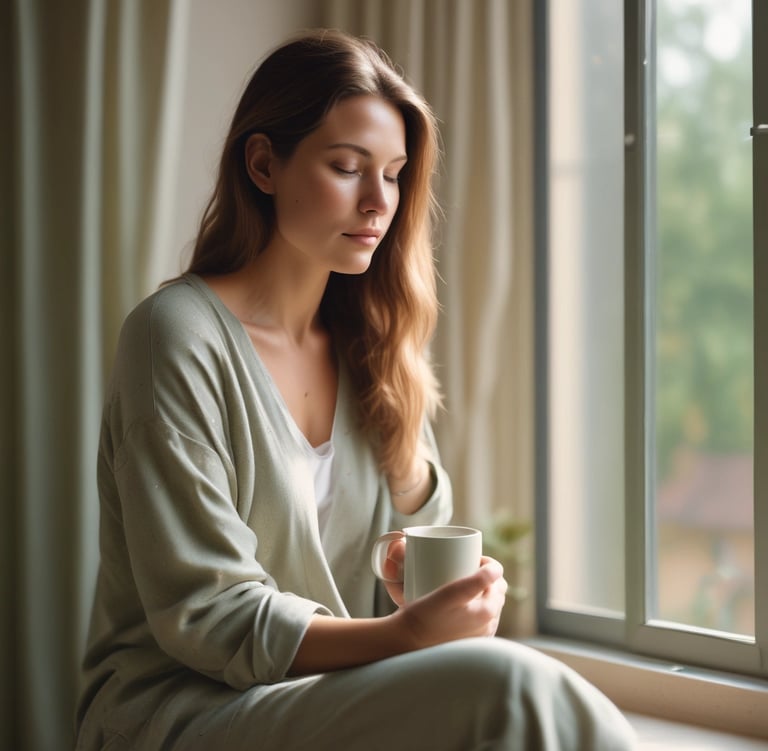

Hormone imbalance can feel confusing at first. But understanding the basics gives you clarity and control.
Start with:
supporting your stress levels
eating balanced meals
improving your sleep
listening to your body
Small steps matter.
If you’re just starting your hormone wellness journey, explore more simple guides on the blog. Everything here is designed to feel calm, realistic, and sustainable.
You deserve to feel balanced — without burnout.
💛 Want a simple way to feel calmer each day?
If you’re not sure where to start, I’ve made it simple for you.
👉 Get your free 7-Day Calm Morning Reset
with gentle, realistic habits to reduce stress and feel more balanced — starting tomorrow.
© 2026 Balanced Fit Life. All rights reserved.
Balanced Fit Life
Gentle hormone health and stress support for overwhelmed women.
Contact:
The information on this website is for educational purposes only and is not a substitute for medical advice.
Disclaimer