10 Signs Your Body Is Stuck in Stress Mode (And How to Reset It Naturally)
Feeling constantly tired, overwhelmed, or anxious? Discover 10 signs your body may be stuck in stress mode and learn simple, natural ways to reset your nervous system.
STRESS & CORTISOL


Modern life can feel overwhelming. Many women juggle work, responsibilities, family, and constant pressure. Over time, this stress can push the body into something often called “stress mode.”
When your body stays in this state for too long, your stress hormone cortisol may remain elevated. Instead of helping you respond to short bursts of stress, your body stays alert all the time.
If this sounds familiar, your body might simply be asking for rest, balance, and support.
Below are some common signs that your body may be stuck in stress mode.
1. You Feel Tired but Wired
One of the most common signs is feeling exhausted but unable to relax.
You may feel tired during the day but suddenly feel more alert at night. This happens because stress hormones can interfere with your natural sleep rhythm.
2. You Have Trouble Falling Asleep
If your mind keeps racing at night, stress could be the reason.
When your body stays in “alert mode,” it becomes harder to calm down enough to fall asleep easily.
3. You Wake Up Already Exhausted
Even after a full night in bed, you may still wake up feeling drained.
When your body is under constant stress, sleep may not feel fully refreshing.
4. You Crave Sugar or Salty Foods
Stress can change how your body regulates hunger and cravings.
Many people notice stronger cravings for sweets, processed foods, or salty snacks when they feel overwhelmed or tired.
5. You Feel Anxious or On Edge
Do you often feel tense, restless, or easily irritated?
When your body stays in stress mode, your nervous system may remain in a constant state of alertness.
6. Your Digestion Feels Off
Stress can affect digestion in different ways.
Some people experience:
bloating
stomach discomfort
changes in appetite
Your digestive system works best when the body feels calm and safe.
7. You Get Frequent Headaches or Tension
Muscle tension is another common sign of long-term stress.
You might notice tight shoulders, neck tension, or headaches that appear more often during stressful periods.
8. Your Periods Become Irregular
Hormones are closely connected to stress.
When stress levels remain high for a long time, your body may temporarily shift resources away from reproductive functions, which can lead to cycle changes.
9. Small Things Feel Overwhelming
When your stress levels are high, even small challenges can feel difficult to manage.
Tasks that once felt easy may suddenly seem exhausting or frustrating.
10. You Struggle to Truly Relax
Even during quiet moments, you might still feel restless or mentally busy.
Your body may have forgotten how to switch off from stress mode.
Why This Happens
Your body is designed to handle short bursts of stress. But when stress becomes constant, the body may stay in “fight-or-flight” mode for longer than it should.
This can lead to:
higher cortisol levels
sleep disruption
fatigue
emotional overwhelm
The good news is that the body is also capable of restoring balance over time.
How to Help Your Body Reset
Small daily habits can gently support your nervous system and hormone balance.
Some helpful practices include:
Prioritizing sleep
Create a relaxing bedtime routine and try to go to bed at the same time each night.
Gentle movement
Activities like walking, stretching, or yoga can help lower stress levels.
Balanced meals
Eating regularly and including whole foods can support steady energy.
Reducing caffeine late in the day
Too much caffeine can make it harder for the body to relax.
Creating moments of calm
Simple things like deep breathing, journaling, or spending time outdoors can help your body shift out of stress mode.
If you recognise several of these signs, your body may simply be asking for more rest and support.
Stress is a natural part of life, but when it becomes constant, it’s important to create space for recovery.
Small, consistent habits can gradually help your body move back toward balance, energy, and calm.
If you’d like to understand how stress hormones affect your body, you may also enjoy reading:
Signs of High Cortisol in Women (And What You Can Do About It)
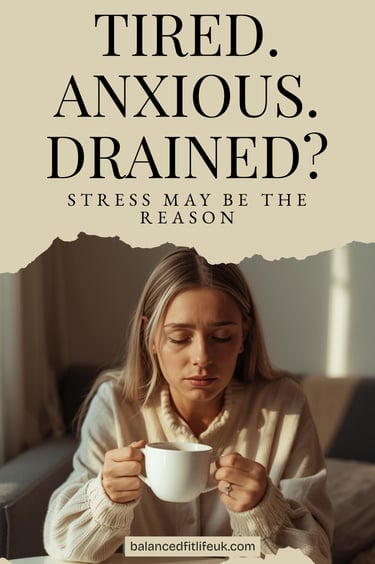
If you found this helpful, you can save this guide for later on Pinterest.
© 2026 Balanced Fit Life. All rights reserved.
Balanced Fit Life
Gentle hormone health and stress support for overwhelmed women.
Contact:
The information on this website is for educational purposes only and is not a substitute for medical advice.
Disclaimer