This post may contain affiliate links. As an Amazon Associate, I earn from qualifying purchases at no extra cost to you.
Hormones affect almost every part of our health. They influence our energy levels, sleep, mood, appetite, menstrual cycle, and even how we handle stress.
When hormones are out of balance, it can feel like something is “off.” You may feel tired, irritable, hungry all the time, or struggle to sleep well. While many factors affect hormone health, one of the most important is the food we eat every day.
I learned this lesson the hard way. There was a time when I skipped breakfast, relied on coffee to get through the morning, and grabbed whatever snack was easiest when I got hungry. I thought I was eating “healthy enough,” but I often felt tired, stressed, and constantly craving sugar.
Once I started focusing on simple whole foods, eating regular meals, and adding more nutrient-rich foods to my plate, I noticed a real difference. My energy became more stable, I felt less hungry between meals, and my overall wellness improved.
The good news is that you do not need a perfect diet or expensive supplements to support your hormones. Small changes can make a big difference over time.
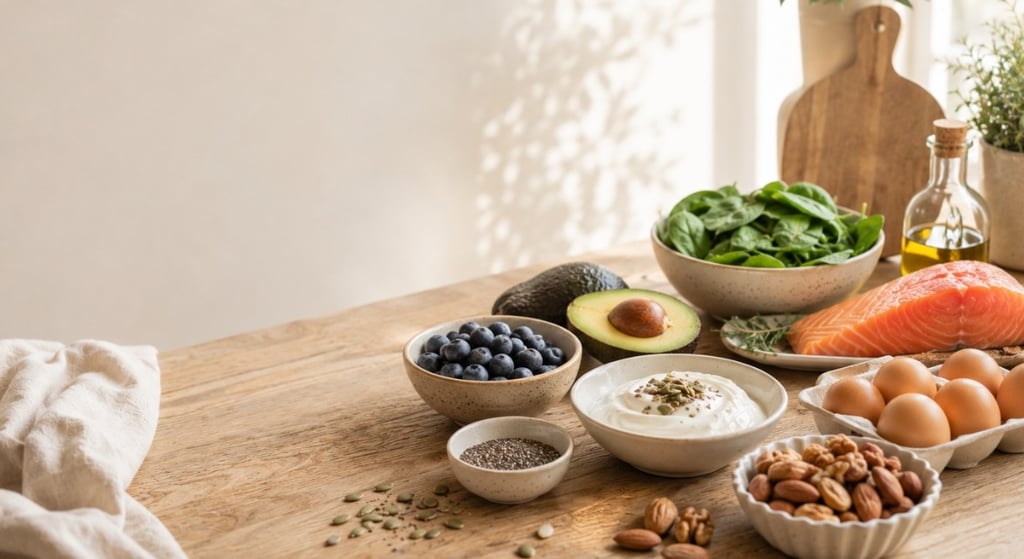
Let’s look at some of the best foods for hormone balance and how you can add them to your daily routine.
Why Food Matters for Hormone Health
Hormones are chemical messengers that help different parts of your body communicate with each other.
Your body uses nutrients from food to produce hormones and support important functions. When your diet is rich in whole foods, protein, healthy fats, fibre, vitamins, and minerals, your body has the building blocks it needs to function properly.
Food alone cannot fix every hormone issue, but healthy eating habits can support overall hormone health and help your body function at its best.
1. Fatty Fish
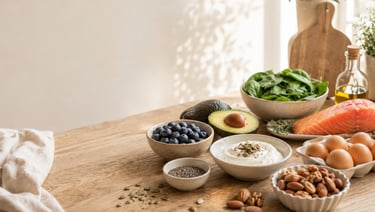
Fatty fish are one of the best foods for overall wellness and hormone support.
Examples include:
Salmon
Sardines
Mackerel
Trout
These fish contain omega-3 fatty acids, which support heart health, brain function, and normal inflammatory responses.
Try adding fatty fish to your meals two times per week.
Simple ideas include:
Grilled salmon with vegetables
Tuna salad for lunch
Sardines on whole-grain toast
2. Avocados
Avocados are packed with healthy fats and fibre.
Healthy fats are important because hormones are made from fat-related compounds. Including healthy fat sources in your meals can help you stay satisfied and support overall wellness.
Easy ways to enjoy avocado:
Spread on toast
Add to salads
Blend into smoothies
Slice into sandwiches
I personally love adding avocado to eggs in the morning because it helps me stay full much longer than toast alone.
3. Eggs
Eggs are one of the most affordable and nutrient-dense foods available.
They provide:
Protein
Healthy fats
Vitamins and minerals
Protein is especially important for stable energy throughout the day.
For years, I would start my morning with only coffee. By 10 a.m., I was starving and reaching for sugary snacks. Adding eggs to breakfast made a huge difference in how long I felt satisfied.
Simple breakfast ideas:
Scrambled eggs
Vegetable omelette
Boiled eggs
Egg muffins
4. Leafy Green Vegetables
Leafy greens provide many nutrients that support overall health.
Some great choices include:
Spinach
Kale
Swiss chard
Arugula
These vegetables are rich in vitamins, minerals, and fibre.
If you struggle to eat enough vegetables, try adding a handful of spinach to smoothies. You can barely taste it, but you’ll get extra nutrients.
5. Berries
Berries are naturally sweet and full of antioxidants.
Popular choices include:
Strawberries
Blueberries
Blackberries
Raspberries
They make a great snack when you’re craving something sweet but want a healthier option.
I often keep frozen berries in the freezer because they last longer and are perfect for smoothies, oatmeal, or yoghurt bowls.
6. Nuts and Seeds
Nuts and seeds are small but powerful.
Some excellent options include:
Pumpkin seeds
Chia seeds
Flaxseeds
Walnuts
Almonds
They provide healthy fats, fibre, and important minerals.
One easy habit that helped me eat healthier was sprinkling chia seeds or flaxseeds onto oatmeal and yoghurt. It takes only a few seconds but adds valuable nutrients.
A quality glass food storage container set can make meal prep much easier and help you keep healthy snacks ready for busy days.
7. Cruciferous Vegetables
Cruciferous vegetables are well known for their nutritional benefits.
Examples include:
Broccoli
Cauliflower
Brussels sprouts
Cabbage
These vegetables provide fibre and important plant compounds that support overall health.
Try:
Roasted broccoli
Cauliflower rice
Cabbage salads
Brussels sprouts with olive oil
Even adding one serving a day can help increase your vegetable intake.
8. Greek Yoghurt and Fermented Foods
Your gut and overall wellness are closely connected.
Foods that support a healthy gut include:
Greek yoghurt
Kefir
Sauerkraut
Kimchi
Greek yoghurt is especially helpful because it contains protein and can be used in many different meals.
Try pairing Greek yoghurt with berries and nuts for a balanced snack.
9. Beans and Lentils
Beans and lentils are excellent sources of:
Plant protein
Fiber
Complex carbohydrates
They are affordable, filling, and easy to add to meals.
Ideas include:
Lentil soup
Bean salads
Chili
Burrito bowls
These foods can help support steady energy throughout the day.
10. Water
Water is one of the most overlooked tools for overall wellness.
Even mild dehydration can leave you feeling tired and sluggish.
Simple tips:
Keep a water bottle nearby
Drink water with meals
Start your morning with a glass of water
Add lemon or cucumber for flavour
A large motivational water bottle can help you stay consistent with hydration throughout the day.


Common Hormone-Friendly Eating Habits
It’s not only about individual foods. Daily habits matter too.
Some simple habits include:
Eat Protein with Every Meal
Protein helps support energy and keeps you feeling full longer.
Don’t Skip Meals
Skipping meals may leave you feeling overly hungry later in the day.
Include Healthy Fats
Healthy fats can be found in:
Avocados
Nuts
Seeds
Olive oil
Fatty fish
Eat More Fibre
Fibre supports digestion and helps keep meals balanced.
Stay Consistent
You do not need to eat perfectly every day. Consistency matters more than perfection.
Common Mistakes That May Affect Hormone Health
Many women make these mistakes without realising it.
Relying on Coffee Instead of Breakfast
Coffee can be enjoyable, but it should not replace a balanced meal.
Eating Too Little
Undereating can leave you feeling tired and may make it harder to meet your nutritional needs.
Avoiding Healthy Fats
Healthy fats play an important role in a balanced diet.
Not Drinking Enough Water
Hydration affects energy, focus, and overall well-being.
Forgetting About Sleep
Even the healthiest diet cannot fully make up for poor sleep habits.
For more support, check out our guide on Self-Care Routine for Women: Simple Daily Habits to Feel Your Best.
You may also enjoy our article on 8 Habits That Secretly Increase Cortisol to learn how daily routines can affect stress levels.
A Simple Hormone-Friendly Day of Eating
Here is an example of a balanced day:
Breakfast
Eggs
Whole-grain toast
Avocado
Lunch
Grilled salmon
Mixed greens
Olive oil dressing
Snack
Greek yoghurt
Berries
Chia seeds
Dinner
Chicken or lentils
Roasted vegetables
Brown rice
Evening
Herbal tea
Small handful of walnuts
Simple meals often work better than complicated plans.
A meal-planning notebook or wellness journal can help you stay organised, track healthy habits, and plan balanced meals throughout the week.
Frequently Asked Questions
What are the best foods for hormone balance?
Some of the best foods include fatty fish, eggs, avocados, leafy greens, berries, nuts, seeds, beans, lentils, and fermented foods.
Can food help support hormone health?
A balanced diet provides nutrients that support overall wellness and normal body functions, including hormone production and regulation.
How long does it take to notice changes?
Everyone is different. Some people notice improvements in energy and overall well-being within a few weeks of making consistent dietary changes.
Should I avoid all sugar?
Not necessarily. The goal is balance. Enjoy treats occasionally while focusing mostly on whole, nutrient-dense foods.
Is there one food that fixes hormone problems?
No single food can solve hormone issues. Long-term habits and an overall healthy lifestyle matter most.
Supporting your hormones does not have to be complicated.
You don’t need expensive products, strict diets, or perfect meal plans. Start with simple changes. Add more protein to your meals. Eat more vegetables. Drink enough water. Include healthy fats. Focus on consistency rather than perfection.
The small habits you practice every day often have the biggest impact over time.
Choose one or two hormone-friendly foods from this list and add them to your routine this week. Those small steps can help you build healthier habits that support your energy, wellness, and long-term health.
Disclaimer: This article is for informational purposes only and is not intended to replace medical advice. Always consult a qualified healthcare professional regarding any health concerns.
© 2026 Balanced Fit Life. All rights reserved.
Balanced Fit Life
Gentle hormone health and stress support for overwhelmed women.
Contact:
The information on this website is for educational purposes only and is not a substitute for medical advice.
Disclaimer