7 Simple Ways to Reset Your Nervous System After Stress
Feeling stressed, anxious, or overwhelmed? Discover 7 gentle ways to calm your nervous system and feel more balanced after stressful days.
STRESS & CORTISOL
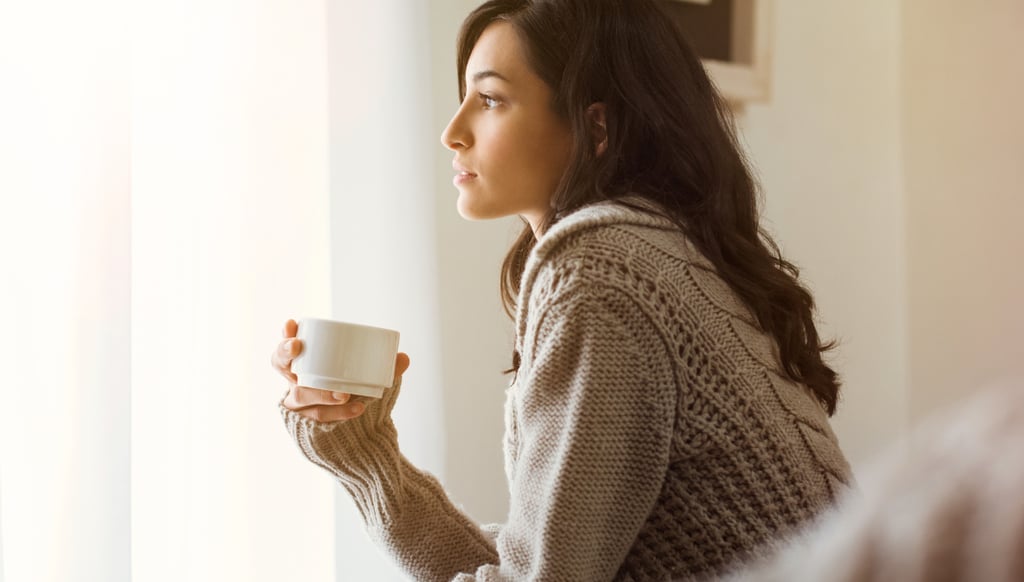

Feeling Stuck in Stress Mode? Here’s How to Calm Your Nervous System Naturally
Do you constantly feel:
emotionally overwhelmed
mentally exhausted
anxious for “no reason”
physically tense
tired but unable to fully relax?
If so, your nervous system may still be recovering from stress.
Many women spend so much time in survival mode that stress starts feeling normal.
You may continue functioning, working, and taking care of responsibilities — while quietly feeling exhausted underneath it all.
The good news?
You do not need extreme wellness routines or a complete life reset to help your body feel calmer again.
In many cases, small daily habits support the nervous system more than complicated “self-improvement” plans.
In this guide, we’ll explore:
what nervous system dysregulation means
signs your body may be overwhelmed
simple ways to reset your nervous system naturally
calming habits that support stress recovery
Let’s keep it realistic, gentle, and supportive.
What Does It Mean to Reset Your Nervous System?
Your nervous system controls how your body responds to stress.
When your body feels calm and safe, your nervous system can rest, recover, and regulate properly.
But chronic stress may keep your body stuck in:
fight or flight mode
constant alertness
emotional overwhelm
physical tension
Over time, this can affect:
sleep
hormones
digestion
mood
energy levels
concentration
Resetting your nervous system does not mean “removing all stress.”
It means helping your body feel safe enough to relax again.
Signs Your Nervous System May Be Overwhelmed
Many women do not realise how much stress affects the body physically.
Signs of nervous system overload may include:
anxiety
fatigue
poor sleep
brain fog
emotional sensitivity
irritability
digestive issues
muscle tension
feeling overstimulated
trouble fully relaxing
You may also feel:
“I’m tired all the time, but my mind never stops.”
If this sounds familiar, your body may need more recovery and support.
1. Slow Down Your Mornings
How you start your day affects your stress levels more than many people realise.
If your mornings immediately feel rushed, loud, or overstimulating, your nervous system receives stress signals before the day even begins.
Instead of waking up and instantly checking notifications, try slowing things down slightly.
Simple ideas:
open the curtains
drink water slowly
stretch gently
avoid social media for the first 15–30 minutes
sit quietly with tea or coffee
Even small moments of calm can help your body feel safer.
Many women enjoy using calming morning tools like guided journals, sunrise alarm clocks, or herbal tea blends to create slower, less stressful mornings.
2. Improve Sleep Quality
Sleep is one of the most important forms of nervous system recovery.
But stress often affects sleep deeply.
You may:
struggle to fall asleep
wake up during the night
wake up tired
feel “wired but exhausted”
Poor sleep makes the nervous system even more sensitive to stress the next day.
Simple sleep habits that may help:
dim lights in the evening
reduce screen time before bed
avoid caffeine late in the day
keep your bedroom calm and cool
Your body heals during rest.
Even small improvements in sleep matter.
Many women find magnesium glycinate supplements, calming herbal teas, weighted blankets, or lavender pillow sprays helpful for creating a more relaxing nighttime routine.
3. Move Your Body Gently
Stress often gets stored physically in the body.
This is why you may notice:
muscle tension
headaches
jaw clenching
tight shoulders
restless energy
Gentle movement can help release some of this tension.
You do not need intense workouts.
In fact, when your nervous system already feels overwhelmed, softer movement often works better.
Helpful options:
walking
yoga
stretching
mobility exercises
slow strength training
Movement helps support:
circulation
stress relief
mood
energy
The goal is not to “burn calories.”
The goal is to help your body feel better.
Supportive yoga mats, walking pads, or beginner-friendly stretching programs can help make gentle movement feel easier and more enjoyable at home.
4. Reduce Overstimulation
Your nervous system constantly processes information.
Too much stimulation can leave your body feeling emotionally overloaded without you fully noticing it.
Common sources of overstimulation:
social media
notifications
multitasking
background noise
constant rushing
too much screen time
Your brain needs quiet moments, too.
Simple ways to reduce overstimulation:
take short phone breaks
spend time outside
avoid scrolling before bed
reduce multitasking
create quieter evenings
Small pauses help your nervous system reset.
5. Support Your Body With Nourishing Foods
Stress affects the body physically — including your hormones, digestion, and energy levels.
Skipping meals or relying heavily on caffeine and sugar can make nervous system symptoms worse.
Balanced meals may help support:
blood sugar
cortisol balance
mood
energy
hormone health
Focus on:
protein
healthy fats
leafy greens
whole foods
enough water
You do not need a “perfect diet.”
Consistency matters more.
If stress has been affecting your energy and mood lately, calming foods may help support your nervous system naturally.
Many women also enjoy electrolyte powders, herbal teas, or high-quality magnesium supplements as part of their stress-support routine.
6. Create Small Moments of Safety
Your nervous system heals through safety, repetition, and calm experiences.
Small moments matter more than many people realise.
Simple calming habits:
deep breathing
journaling
warm showers
reading
calming music
sitting outside
quiet evenings
These habits send signals to your body that it is safe enough to relax.
You do not need to completely “fix” your life overnight.
Your body responds to consistency.
Calming tools like adult colouring books, guided journals, essential oil diffusers, or cosy blankets can help create more relaxing evening routines.
7. Stop Expecting Yourself to Recover Overnight
Many women become frustrated because they still feel stressed after a few relaxing habits.
But nervous system recovery takes time.
You cannot heal chronic overwhelm with one self-care evening.
Your body needs:
consistency
sleep
nourishment
emotional support
recovery time
slower moments
Healing is not about perfection.
Small supportive habits repeated consistently often help most.
Chronic Stress Affects Physical Health Too
Stress not only affects emotions.
Long-term nervous system overload may contribute to:
headaches
digestive issues
fatigue
hormone imbalance
muscle tension
sleep problems
low motivation
emotional exhaustion
Your body and mind are deeply connected.
When your nervous system feels overwhelmed, your whole body feels it too.
This is why calming your body gently matters so much.
Many women find relaxing bath soaks, magnesium bath flakes, acupressure mats, or calming teas helpful for reducing physical tension after stressful days.
You Are Not Weak — Your Body Is Overloaded
If you constantly feel anxious, exhausted, emotionally overwhelmed, or unable to relax, your body is not failing you.
It may simply be carrying too much stress for too long.
You do not need more pressure.
You may need:
more rest
more support
more gentleness
fewer unrealistic expectations
Your nervous system was never designed to stay in survival mode all the time.
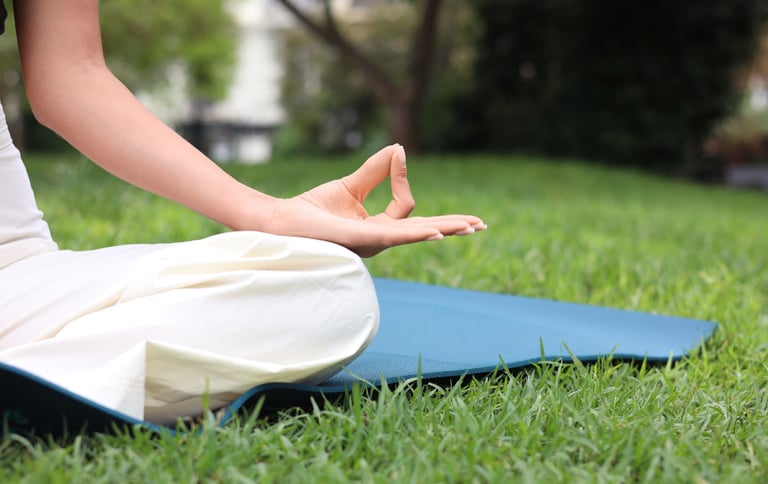

Resetting your nervous system does not require extreme routines or perfection.
Often, the smallest habits help most:
slower mornings
better sleep
nourishing meals
less overstimulation
gentle movement
more rest
Your body wants safety, not perfection.
Start small.
Choose one calming habit that feels realistic this week.
Over time, small moments of calm can help your nervous system feel more balanced again.
You May Also Like
💛 Want a simple way to feel calmer each day?
If you’re not sure where to start, I’ve made it simple for you.
👉 Get your free 7-Day Calm Morning Reset
with gentle, realistic habits to reduce stress and feel more balanced — starting tomorrow
⚠️ Disclaimer
This post may contain affiliate links. As an Amazon Associate, I earn from qualifying purchases at no extra cost to you.
© 2026 Balanced Fit Life. All rights reserved.
Balanced Fit Life
Gentle hormone health and stress support for overwhelmed women.
Contact:
The information on this website is for educational purposes only and is not a substitute for medical advice.
Disclaimer